













Chemical Anchoring



FILTER BY:
Market-leading chemical anchors
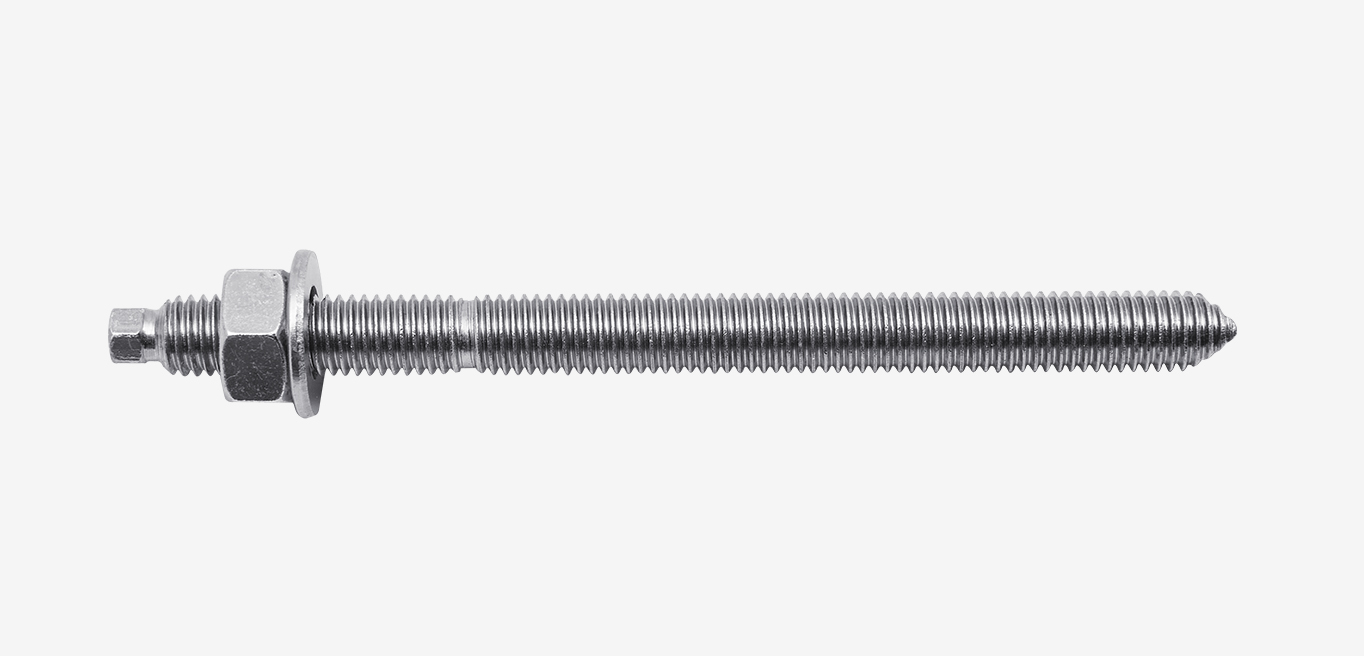
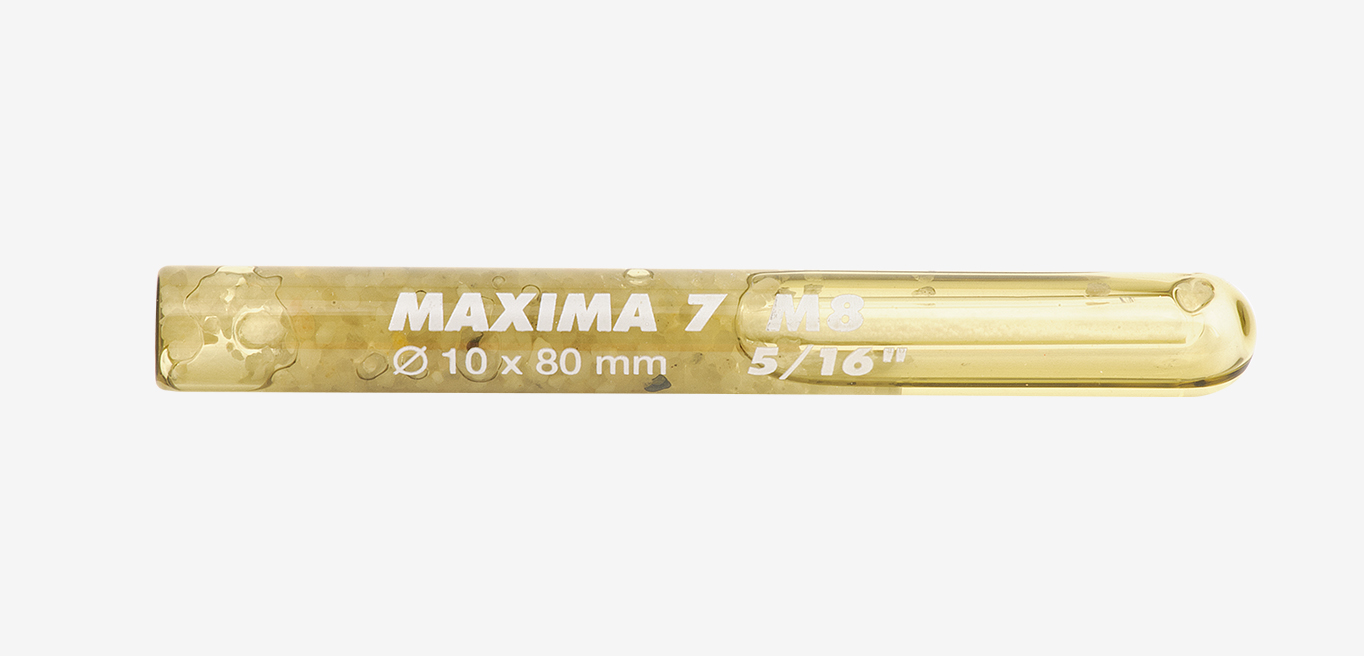
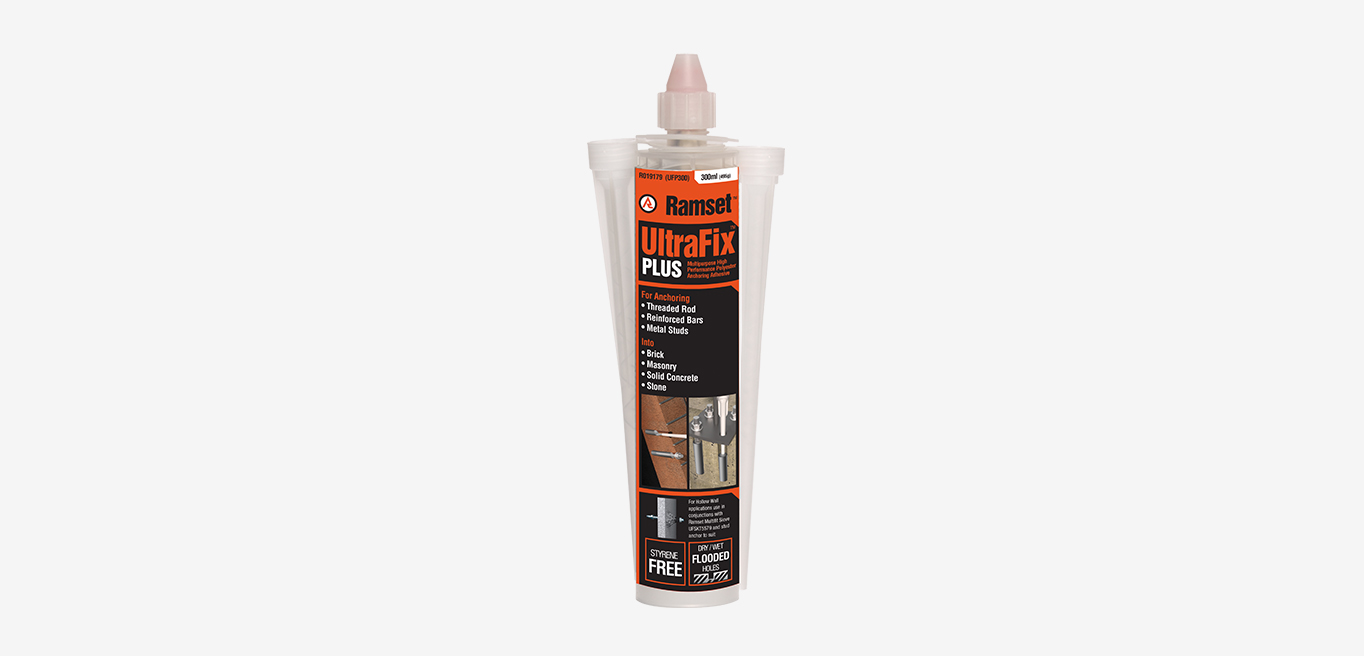
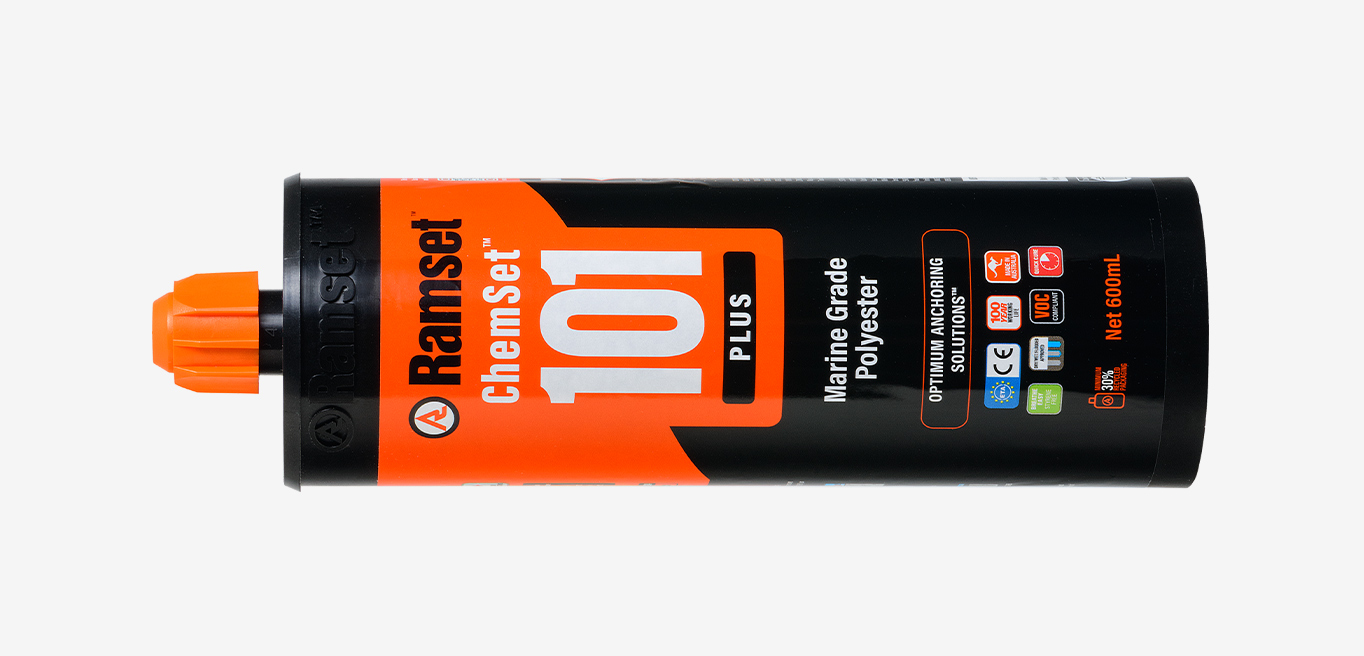
Ramset™’s epoxy anchors including the market-leading ChemSet™ chemical anchoring products can be trusted for heavy-duty applications in even the toughest conditions.
Fast-curing chemical anchoring
ChemSet™ includes fast-curing options for time-sensitive projects and specialty products for underwater or extreme temperature installations.
High-strength threaded inserts and advanced chemical anchors have unmatched load-bearing strength and corrosion resistance, while epoxy anchors are ideal for residential builds, infrastructure projects and industrial fastening applications.
The ChemSet™ range meets or exceeds local and international building codes.
FAQs: Choosing and installing chemical anchors
What is the strongest anchor for concrete?
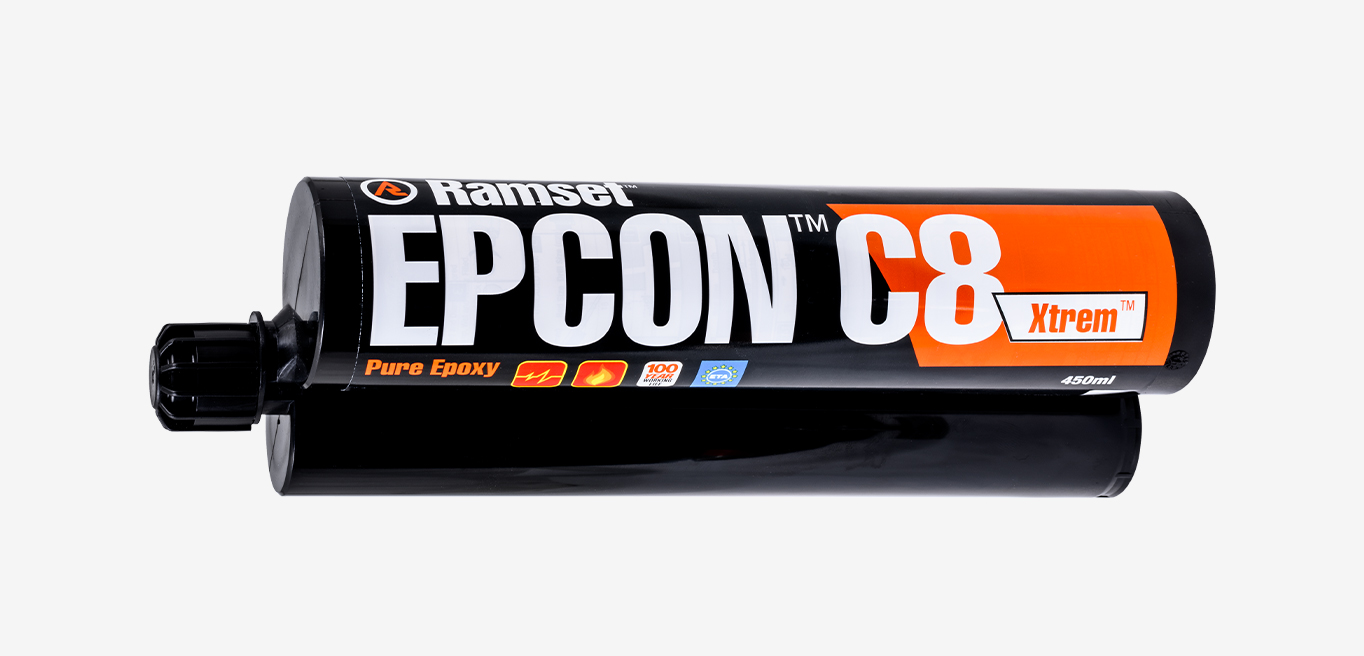
A pure epoxy system is the best adhesive for concrete. One of the strongest solutions is Epcon™ C8 Xtrem™ with high bonding performance for heavy loads, cracked concrete, seismic conditions, and extreme environments.
It is important to note that the strongest concrete anchor depends on the concrete strength, embedment depth, anchor diameter, edge distance, spacing and load type.
When should I use chemical anchors instead of mechanical anchors?
Chemical anchors are ideal for concrete repairs and non-invasive bonding of two materials without putting stress on the base material. It offers more versatility and reliability in both cracked and uncracked concrete environments and when structural reliability and high bearing loads are required.
When jobs require close-to-edge fixings or tight concrete anchor spacing, chemical anchoring handles it best without causing expansion pressure, which can lead to cracking.
Mechanical anchors may often be preferred for light to medium jobs that need immediate loading and no curing time.
Can chemical anchors be used in cracked concrete?
Yes. Epoxy or vinyl ester chemical anchors can be used on concrete with existing cracks.
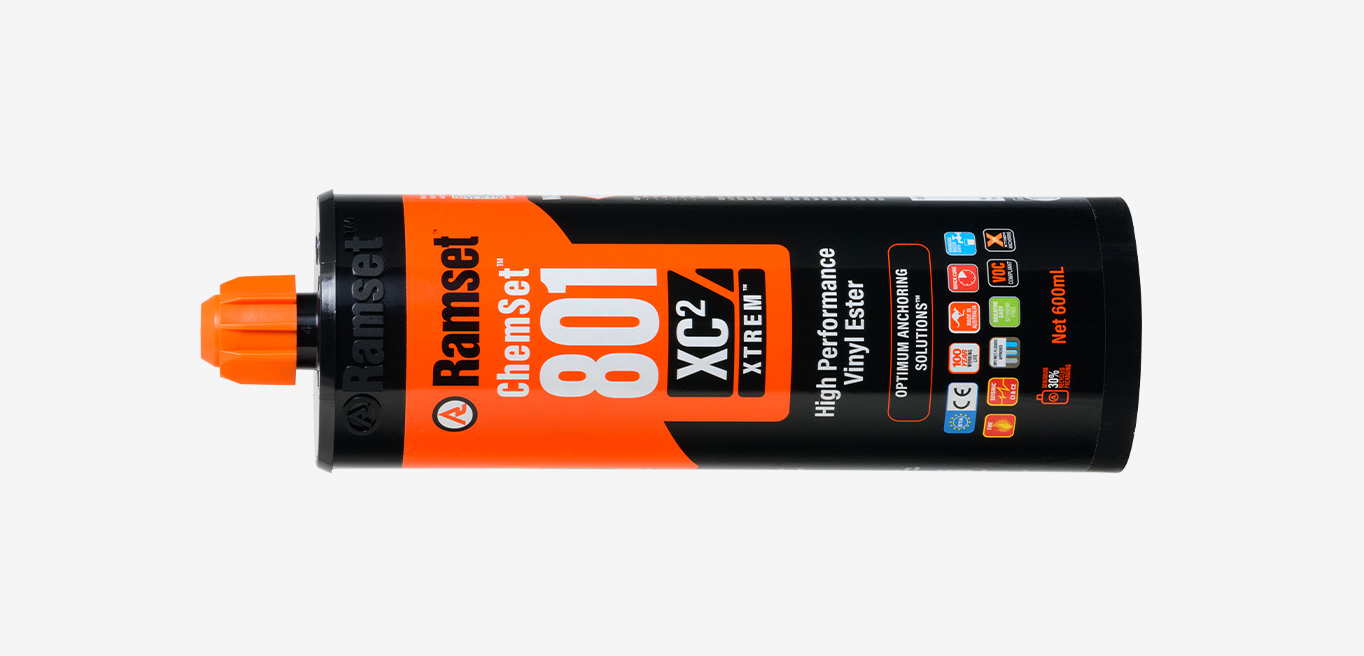
Chemset™ Reo 502™ PLUS is a heavy-and ChemSet™ 801 XTREM™ XC² both maintain strength performance under tension or movement.
Make sure to follow proper hole cleaning and installation procedures when applying chemical anchors to cracks.
Are chemical anchors suitable for high-load applications?
Yes. Chemical anchors are commonly used for high-load concrete and bearing applications and are a dependable solution for heavy structural loads, such as steel connections to concrete footings, fixing beam base plates, machinery hold downs, starter bars, safety barriers or tunnel service supports.
What is the difference between epoxy and vinyl ester anchors?
Epoxy anchors offer a high bond strength ideal for heavy structural loads, with a good working time, especially for deep embedment. Vinyl ester anchors generally cure faster than epoxy anchors and are versatile for various job site conditions. When fully certified, Vinyl ester can meet heavy-duty anchoring needs, such as concrete anchoring, offering a good balance of speed and performance.

